
Loading...
Serving Fontana, CA and surrounding areas. (909) 775-1547
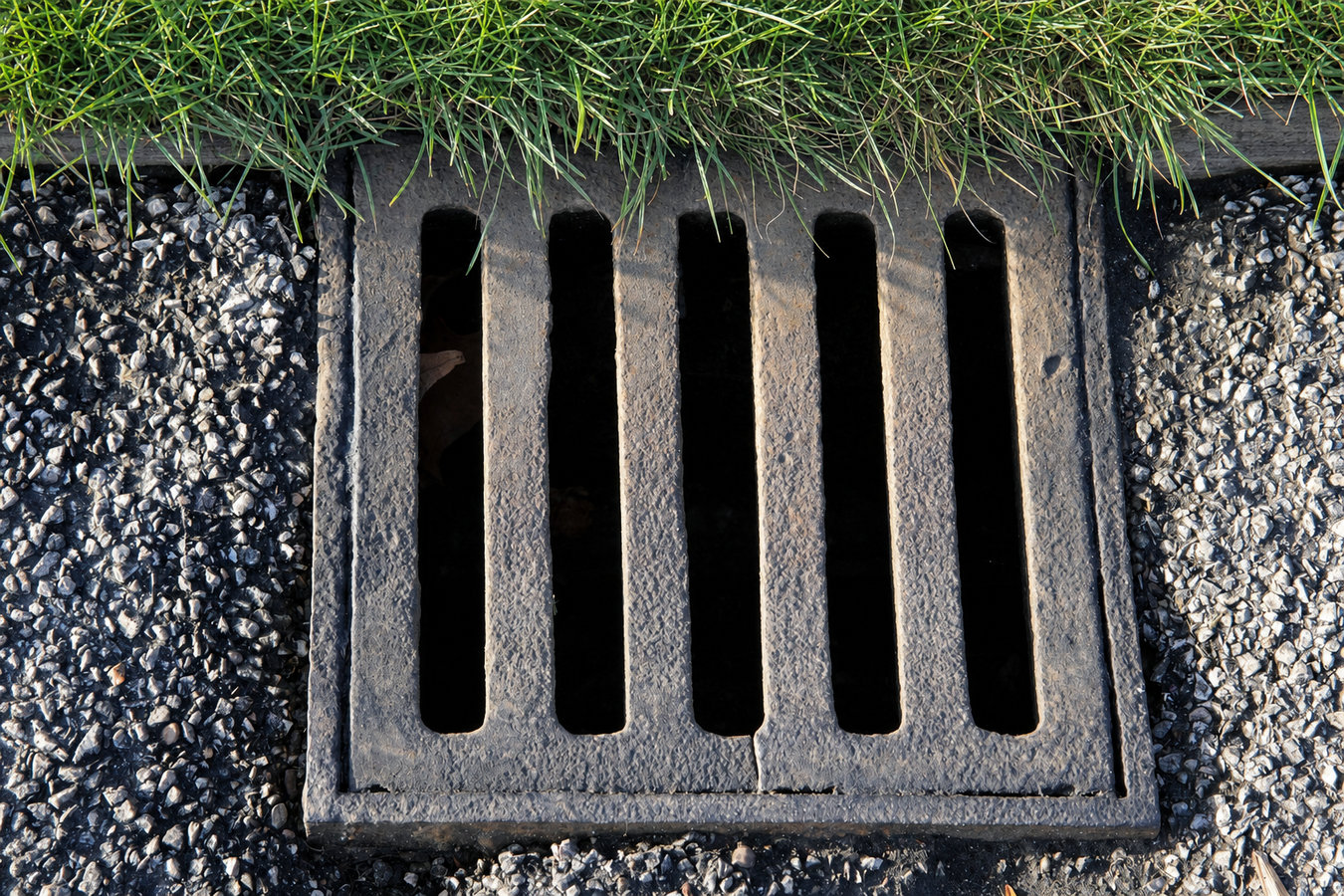
Water pooling on your driveway or running toward your foundation causes real damage fast. We fix the grade, install the right drains, and make sure it stays dry.
Water pooling on your driveway or running toward your foundation causes real damage fast. We fix the grade, install the right drains, and make sure it stays dry.
Drainage solutions in Fontana redirect water away from your driveway, parking area, or paved surface before it can weaken the base or flood your garage, with most residential jobs completed in one to three days depending on how much excavation or repaving is involved.
In Fontana, the problem is usually not the amount of rain - it is the speed at which it arrives. Storms here are short and intense, and a surface that has a low spot or a blocked outlet gets overwhelmed fast. If you have seen the same puddles form in the same spots every winter, that pattern will not fix itself. Drainage work corrects the grade, installs the right drain components, and gives the water a clear path off your property.
Poor drainage is also the leading cause of early pavement failure. Water that sits on the surface or seeps into the base softens the material underneath, which leads to cracking and soft spots. Pairing a drainage fix with grading and excavation addresses both the surface and the subgrade at the same time.
If the same low spots fill with water every time it rains - even after a short storm - your surface is not draining correctly. In Fontana, those puddles grow quickly because storms dump a lot of water in a short time, and the base underneath starts absorbing moisture before the puddle even evaporates.
When rainwater flows toward your home instead of away from it, you have a grade problem that goes beyond the driveway surface. Water that reaches your garage floor or sits against your foundation can cause costly damage, and the fix almost always starts with correcting the slope or adding a drain at the base of the run.
Cracking and soft patches that appear in the same areas where water collects are a sign that moisture is getting into the base. The Inland Empire cycle of dry heat followed by sudden rain is especially hard on asphalt that holds water, because the base material expands and contracts with each wet-dry cycle until the surface gives way.
When water runs off the sides of your driveway rather than through a proper outlet, it erodes the soil along the edges and undercuts the asphalt border. You will see this as crumbling edges, exposed base material, or muddy streaks in your landscaping after rain - all signs that water has nowhere good to go.
Every drainage project starts with understanding where the water comes from, where it needs to go, and what is stopping it from getting there. Depending on what we find, we might install a channel drain at the base of a sloped driveway, set a catch basin at a low point in a parking area, or regrade a section of pavement so water naturally runs toward the street. If grading and excavation is needed to fix a subgrade that has shifted, we handle that as part of the same project.
Sometimes the fix is as simple as clearing a blocked outlet or extending a downspout. Other times it means cutting and repaving a section to correct a grade that was never right to begin with. Once the drainage is corrected, we also recommend pairing it with speed bump installation for shared driveways and parking lots, since slowing traffic reduces the impact stress on freshly repaired pavement.
Best for driveways with a slope that sheets water toward the garage or foundation - a long, narrow inlet catches the flow before it reaches the problem area.
Suited for flat areas or low points where water collects - a box drain set at the lowest spot captures standing water and routes it to a safe outlet.
The right choice when the existing grade directs water the wrong way - we cut and repave a section to correct the slope so water naturally drains toward the street.
Required when a new drain needs to connect to the street curb or city system - we handle the permit and the connection so the water has a legal, inspected exit point.
Fontana sits in the Inland Empire, where summer temperatures climb well above 100 degrees and the sun beats down on paved surfaces for most of the year. That heat makes asphalt more brittle and more likely to crack, and cracks are exactly where water enters and does its worst damage. When the winter storms arrive - usually as short, heavy bursts rather than gentle rain - a surface that cannot drain fast enough gets overwhelmed. The combination of heat-weakened asphalt and rapid flooding is one of the main reasons driveways here fail earlier than they should.
The Inland Empire also sits on soils that expand when wet and shrink when dry. Poor drainage lets those soils cycle through that movement repeatedly, which shifts and cracks the pavement above. Homeowners in Rialto and Colton deal with the same conditions, and the fix is the same: get the water off the surface and away from the subgrade before it has a chance to do damage. A contractor who works regularly in this area - and understands how quickly Santa Ana winds deposit debris in drain inlets - is the right person for this job.
Tell us where water pools, how long it sits, and whether it has gotten worse. We will reply within one business day and schedule a site visit to walk the property and see the grade for ourselves.
We walk your driveway or parking area, identify where water is entering or pooling, and explain what is causing the problem. You receive a written estimate that describes what gets installed, where the drain connects, and exactly where the water will exit your property.
If your drainage outlet connects to the street curb or city system, we handle the permit before any work starts. On the day the crew arrives, they clean and prepare the work area - clean cuts in existing asphalt make for better patches later.
The drain components are set in a compacted base, connected to the outlet, and the surrounding asphalt is patched to match the existing surface. Before we leave, we walk you through what was installed and confirm you can see the clear path water will now travel.
Free estimate, written quote, no pressure. We reply within one business day.
(909) 775-1547The most important thing a drainage contractor can tell you is the full path water travels after it enters the drain. We put that in every written estimate - outlet type, connection point, and exit location - so you are never left wondering whether the fix actually worked.
California requires a state contractor license for paving work. You can verify our license status in seconds at cslb.ca.gov before you commit to anything. That verification protects you and confirms we carry the insurance and accountability the law requires.
Fontana storms are short and intense, and drain designs that work in slower-rain climates get overwhelmed here. We size inlets and outlets for high-volume, short-duration events - the kind that dump an inch of water in an hour - not a gentle coastal drizzle.
When your project requires connecting to the street curb or city system, we pull the permit and schedule the inspection. That inspection creates a record that the work was done correctly - which matters when you sell the property or file an insurance claim.
The National Asphalt Pavement Association sets the technical standards we follow for drainage grading and pavement installation. Every project we complete leaves you with a clear water path, a written record, and a surface designed to last through the conditions this area actually sees.
Add speed bumps to shared driveways and parking lots to slow traffic and protect freshly repaired pavement surfaces.
Learn MoreCorrect subgrade elevation and remove unstable material before paving or installing drainage components.
Learn MoreHeavy rain arrives fast here - call now for a free on-site assessment and written estimate with no pressure.